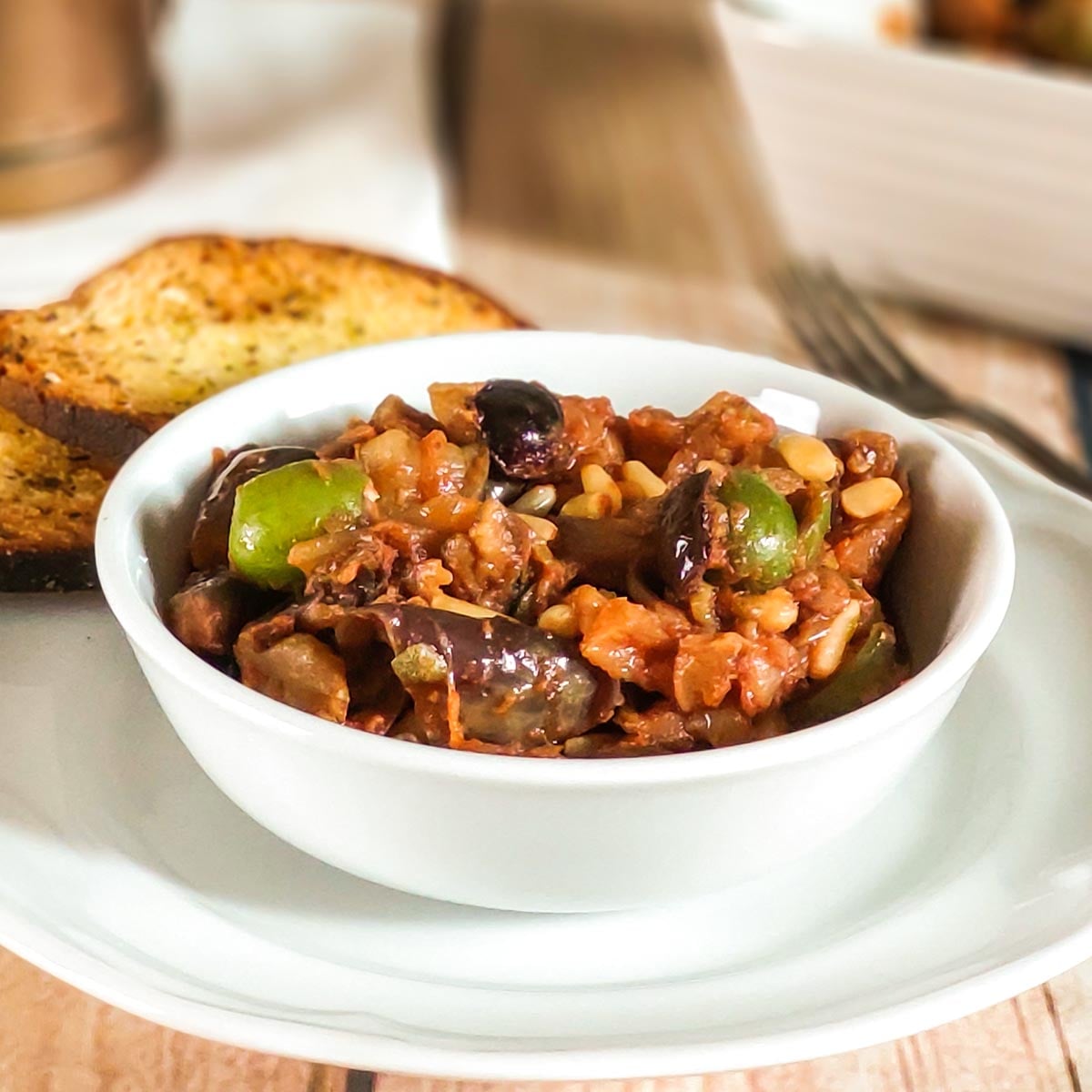
Sicilian Caponata: Recipe, History, and the Soul of Sicily
There are dishes that merely satisfy hunger, and then there are those that tell a story, capturing the very essence of a culture. Sicilian Caponata unequivocally belongs to the latter. More than just a vibrant medley of vegetables, this iconic sweet-and-sour eggplant dish embodies the complex history, bold flavors, and sun-drenched spirit of Sicily. For anyone seeking to delve into the heart of Mediterranean cuisine, understanding the Authentic Sicilian Caponata: The Sweet and Sour Taste of Sicily is an essential journey.
My first encounter with Sicilian Caponata in the bustling markets of Palermo was an unforgettable culinary awakening. Its rich aroma, vibrant colors, and the harmonious explosion of sweet, sour, and savory notes instantly captivated me. While every Sicilian family proudly guards its own unique caponata recipe, a common thread weaves through them all: the exquisite balance of agrodolce. This signature sweet-and-sour profile is not just a flavor; it's a testament to centuries of culinary evolution, influenced by a melting pot of civilizations.
What is Sicilian Caponata? A Culinary Icon
At its core, Sicilian Caponata is a traditional dish featuring eggplant as its star, complemented by an array of summer vegetables like bell peppers, onions, celery, and ripe tomatoes. What truly sets it apart, however, is its distinctive agrodolce finish – a delicate interplay of tanginess from vinegar and subtle sweetness, often from sugar or sometimes raisins. Briny olives and pungent capers add further layers of Mediterranean depth, making each spoonful a symphony of flavors.
The origins of Caponata are as rich and layered as its taste. While often traced back to the 18th century, food historians suggest its roots are far deeper, influenced by the successive waves of Arab, Spanish, and Greek cultures that left an indelible mark on Sicily's gastronomic landscape. The very concept of agrodolce itself is believed to have been introduced by the Arabs, who brought with them exotic spices and a love for balancing contrasting tastes.
Over centuries, the caponata recipe has naturally evolved, giving rise to numerous regional variations. The classic Palermo style might incorporate pine nuts and raisins for added texture and sweetness, while coastal towns sometimes feature seafood, such as swordfish, to reflect their bountiful marine resources. What remains consistent across all versions is the dish's incredible versatility. Caponata can be served warm, at room temperature, or even chilled, making it perfect for any occasion. In fact, many connoisseurs agree that Caponata only improves with age, as the flavors meld and deepen after resting for a day or two, making it an excellent make-ahead option for entertaining.
The Heart of Agrodolce: Understanding Sicilian Flavors
The term agrodolce, meaning "sour-sweet" in Italian, is the very soul of Sicilian Caponata and a hallmark of traditional Sicilian cooking. It's not just about adding sugar and vinegar; it's about achieving a profound harmony where neither element overwhelms the other, creating a complex and utterly addictive flavor profile.
This unique balance is a direct reflection of Sicily's historical crossroads. The island's position in the Mediterranean made it a focal point for trade and conquest, bringing ingredients and culinary techniques from across the globe. Arab rule, in particular, introduced ingredients like sugarcane and citrus, fostering a preference for dishes that married savory and sweet. Later Spanish influences further cemented this tradition, resulting in a cuisine that actively seeks to tantalize all taste buds simultaneously.
In a caponata recipe, the agrodolce is achieved through a careful combination of red wine vinegar and sugar, often added towards the end of the cooking process. This final touch brightens the rich, stewed vegetables, cutting through their richness and elevating the entire dish. Some variations might use natural sweetness from plump raisins or a touch of honey, alongside the sharp acidity of capers and olives, all contributing to this signature sweet-and-sour dance. Mastering this balance is key to unlocking the true potential of this classic Sicilian dish.
Caponata vs. Ratatouille: A Tale of Two Mediterranean Stews
Given their shared use of eggplant, peppers, and tomatoes, Caponata is often compared to its French cousin, ratatouille. While both are celebrated Mediterranean vegetable stews, they possess distinct personalities. Understanding these differences is crucial for appreciating the unique culinary heritage of each region, and we delve deeper into this comparison in our article Caponata vs. Ratatouille: Unpacking Sicily's Agrodolce Secret.
The most significant divergence lies in their flavor profiles. Ratatouille is typically savory, herbaceous, and gently stewed, relying on the aromatic subtlety of Provençal herbs like thyme, rosemary, and basil. Caponata, on the other hand, boldly champions its signature agrodolce – a vibrant sweet-and-sour punch that makes it unmistakably Sicilian.
Texture also plays a key role. Traditional Caponata often involves frying vegetables separately before combining them. This method imparts a beautiful caramelization and ensures each component retains a slightly distinct texture and richer flavor. Ratatouille, by contrast, is usually stewed with all vegetables together, resulting in a softer, more homogenous consistency.
Finally, the ingredients themselves tell a story. While both feature core vegetables, Caponata frequently includes briny olives, tangy capers, and often pine nuts and raisins – ingredients that are deeply embedded in Sicilian pantry traditions. Ratatouille leans into the local herbs and occasionally features zucchini more prominently, showcasing its Provençal roots. In essence, while both dishes celebrate seasonal vegetables, Caponata's bold contrasts and specific ingredient choices firmly establish its unique Sicilian identity.
Crafting Your Own Sicilian Caponata: A Step-by-Step Guide and Key Ingredients
Embarking on your own caponata recipe journey is a rewarding experience. While precise measurements can vary, understanding the essential ingredients and cooking principles is paramount to achieving an authentic taste. The beauty of this dish lies in its balance and the quality of its components.
Essential Ingredients for an Authentic Caponata Recipe:
- Eggplant: The Star: Choose firm, glossy eggplants. Many traditional recipes call for frying the eggplant, which gives it a rich, caramelized flavor and soft interior. To reduce bitterness and oil absorption, some cooks salt the cubed eggplant and let it drain for 30 minutes before patting dry. Alternatively, roasting the eggplant can be a healthier option that still yields delicious results.
- Aromatics: Onions (sweet and savory depth), celery (a subtle crunch and unique bitterness), and garlic (essential Mediterranean flavor). These are typically sautéed until tender to form the aromatic base.
- Bell Peppers & Tomatoes: Red bell peppers add sweetness and color. Ripe tomatoes (Roma are excellent) provide a fresh, slightly acidic base, often peeled, seeded, and chopped, or high-quality crushed tomatoes can be used for convenience.
- Briny Elements: Green olives (pitted and coarsely chopped) and capers (rinsed and drained) are non-negotiable. They introduce a salty, tangy punch that is characteristic of Sicilian cuisine.
- The Agrodolce Balance: Sugar (granulated) and red wine vinegar are the magic duo for the sweet-and-sour finish. Adjust to your taste preferences. Some recipes might use a pinch of dried chili flakes for a subtle heat.
- Optional but Traditional Enhancements: Pine nuts (toasted for extra flavor and crunch) and raisins (plumped in warm water for sweetness and chewiness) are often included, particularly in the Palermo style, adding layers of texture and flavor. Fresh basil, torn and stirred in at the very end, brightens the dish.
- Olive Oil: A generous amount of good quality extra virgin olive oil is crucial for sautéing and enriching the flavors.
Tips for Crafting Your Caponata:
- Separate Cooking for Best Texture: For the most authentic texture, cook the vegetables in stages. Fry the eggplant until golden, then set aside. Sauté the aromatics, then add the peppers and tomatoes. Finally, combine everything. This prevents overcrowding the pan and ensures vegetables are cooked to perfection without becoming mushy.
- Slow Simmering: Once all ingredients are combined, allow the Caponata to simmer gently. This low and slow process is key for the flavors to meld beautifully and for the vegetables to become tender.
- Adjust Agrodolce to Taste: The balance of sweet and sour is personal. Start with the suggested amounts in your chosen caponata recipe and adjust with a little more sugar or vinegar until it sings to your palate.
- Patience is a Virtue: Caponata truly shines after it has had time to rest. Prepare it a day in advance if possible. The flavors deepen and harmonize, making it even more delicious.
Serving Suggestions and Versatility
The beauty of Sicilian Caponata lies not only in its exquisite flavor but also in its remarkable adaptability. Serve it as a delightful appetizer, spooned generously onto crusty bread or toasted bruschetta. It makes an excellent side dish for grilled fish, roasted chicken, or succulent lamb. Caponata can also stand proudly as a vegetarian main course when paired with a simple grain like couscous or polenta. Imagine it as part of an elaborate antipasto platter, alongside cured meats, cheeses, and other Mediterranean delights. Its vibrant presentation and complex flavor profile make it a showstopper in any culinary context.
Sicilian Caponata is more than just a dish; it's a culinary journey through the history and heart of an island rich in culture and flavor. From its ancient roots influenced by diverse civilizations to its status as a beloved staple in homes across Sicily, every spoonful tells a tale. Embracing the caponata recipe means embracing the spirit of Sicily itself – bold, vibrant, and utterly unforgettable. So, gather your ingredients, savor the process, and let this sweet-and-sour masterpiece transport you to the sun-drenched landscapes of the Mediterranean.
