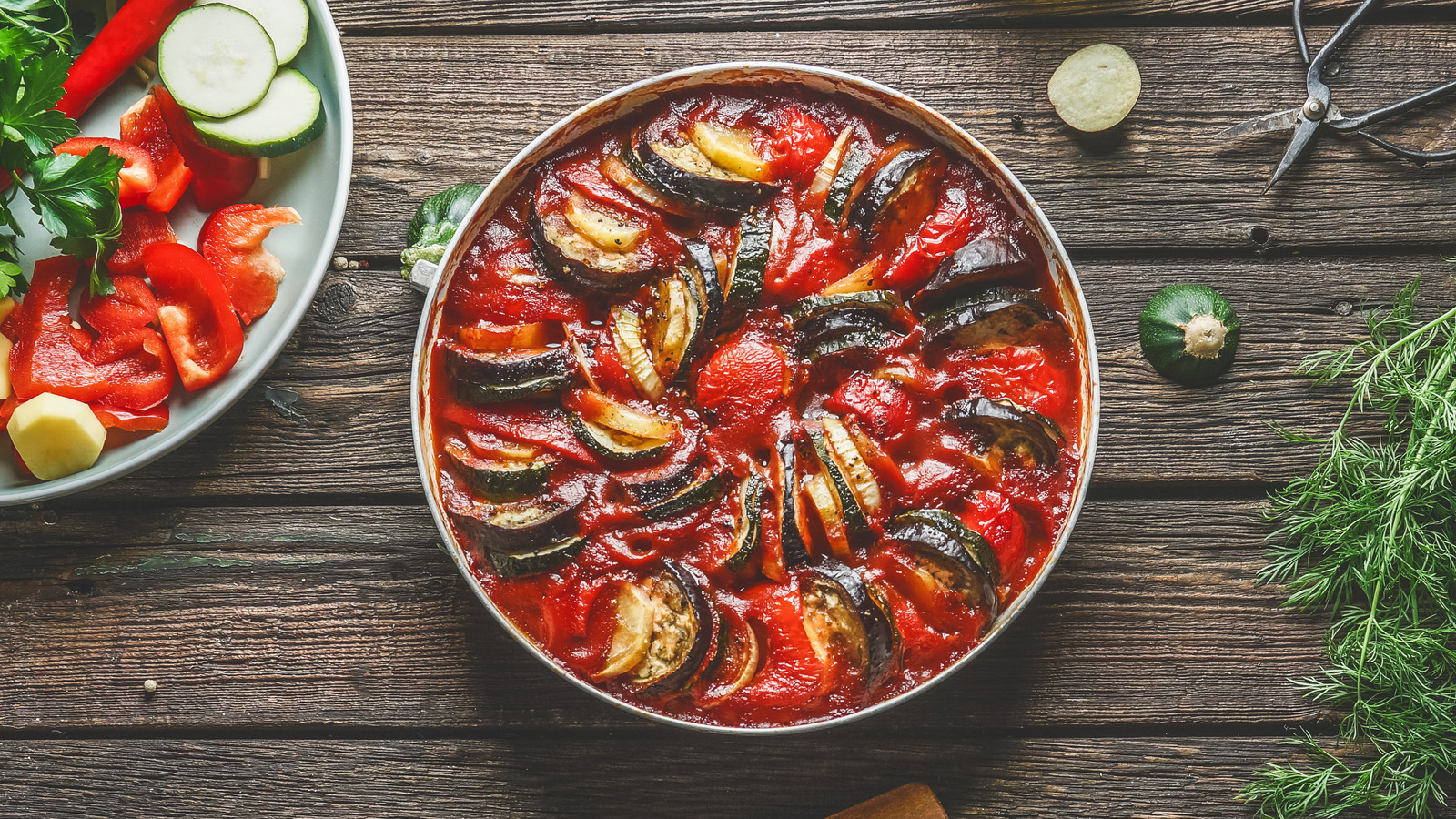
Caponata vs. Ratatouille: Unpacking Sicily's Agrodolce Secret
In the vibrant tapestry of Mediterranean cuisine, few dishes capture the essence of summer like a rich vegetable stew. Two iconic contenders often find themselves in a delicious, albeit friendly, debate: Italy's Caponata and France's Ratatouille. While both celebrate the bounty of sun-kissed produce, particularly the humble eggplant, a closer look reveals distinct personalities and culinary philosophies. This article delves into what makes each dish unique, ultimately spotlighting Caponata – Sicily's beloved sweet-and-sour masterpiece, and an essential addition to any enthusiast's repertoire.
What is Sicilian Caponata? A Culinary Tapestry
Caponata is more than just a dish; it's a vibrant ode to Sicilian history and its diverse cultural influences. At its heart, Caponata is an incredibly flavorful eggplant-based recipe, brimming with summer vegetables, pungent capers, briny olives, and sometimes pine nuts and raisins. What truly sets it apart, however, is its signature sweet-and-sour taste, known as
agrodolce. This masterful balance of tangy vinegar and a touch of sugar creates a depth of flavor that is utterly captivating and uniquely Sicilian.
The core ingredients of a classic Caponata recipe typically include tender eggplant, bell peppers, onions, celery, and ripe tomatoes, all slow-cooked to perfection. This amalgamation of ingredients is then infused with the defining agrodolce finish, which, while deceptively simple, is the cornerstone of the dish's appeal. The term
agrodolce itself speaks volumes, literally translating to "sour-sweet," and it’s a flavor profile deeply rooted in Sicily’s culinary heritage, tracing back to Arab influences centuries ago.
Dating back to at least the 18th century, Caponata’s origins are a testament to Sicily's crossroads location, absorbing culinary traditions from Arab, Spanish, and Greek cultures. Over time, it has evolved into a myriad of regional styles. The classic Palermo version, for instance, often incorporates pine nuts and raisins, adding a subtle sweetness and textural complexity. Coastal variations might even feature swordfish, transforming it into a more substantial main course.
One of Caponata's most cherished qualities is its remarkable versatility. It can be savored warm, at room temperature, or even chilled, making it a perfect dish for any occasion. In fact, many connoisseurs agree that a good Caponata only improves with age, as the flavors meld and deepen after resting for a day or two. This makes it an ideal make-ahead appetizer, side dish, or topping for bruschetta. For a detailed guide on creating this iconic dish, check out our
Authentic Sicilian Caponata: The Sweet and Sour Taste of Sicily.
Caponata vs. Ratatouille: A Tale of Two Mediterranean Stews
At first glance, Caponata and French Ratatouille appear to be culinary cousins. Both are hearty vegetable stews born from the Mediterranean climate, heavily featuring eggplant, bell peppers, and tomatoes. Yet, beneath their surface similarities lie fundamental differences in flavor, texture, and cultural identity that distinguish them unequivocally.
*
Flavor Profile: This is perhaps the most significant divergence. Ratatouille is characterized by its savory, herbaceous notes, often featuring traditional Provençal herbs like thyme, rosemary, and basil, and a gentle stewing process. Its flavor is wholesome and comforting. Caponata, on the other hand, boasts its unmistakable
agrodolce character. The bold contrast of tangy vinegar and a measured sweetness from sugar (and sometimes raisins) creates a piquant, multi-layered experience that is both refreshing and profound.
*
Texture: Caponata typically presents a chunkier texture. The vegetables, especially the eggplant, are often fried separately before being combined and slow-cooked. This individual frying step imparts a delightful caramelization and richness to each component, preventing them from becoming overly soft or mushy. Ratatouille, conversely, tends to be softer, with vegetables more uniformly stewed together, resulting in a more homogenous consistency.
*
Key Ingredients & Identity: While both share core vegetables, their supporting cast differentiates them. Caponata almost always includes briny olives, sharp capers, and often sweet raisins and nutty pine nuts – ingredients that are deeply intertwined with Sicilian culinary traditions. Ratatouille, however, relies more heavily on aromatic herbs and sometimes zucchini, reflecting the Provençal palate. These distinct ingredient choices contribute significantly to each dish's unique cultural fingerprint.
In essence, while both dishes skillfully highlight seasonal vegetables and embody the warmth of the Mediterranean, Caponata stands out with its audacious sweet-and-sour symphony, making it an unmistakably Sicilian creation.
Crafting the Perfect Caponata: Tips for Your Recipe
Embarking on a Caponata recipe journey is a rewarding experience. To truly capture its authentic essence, a few key considerations can elevate your homemade dish to new heights.
*
Quality Ingredients are Paramount: The success of any Caponata recipe hinges on the freshness of its produce. Opt for ripe, firm eggplants, vibrant bell peppers, and juicy, seasonal tomatoes. If fresh tomatoes aren't available, a good quality canned crushed tomato can be a suitable substitute.
*
Eggplant Preparation Matters: Eggplant is the star of the show. Many traditional recipes call for frying the eggplant cubes separately until golden and tender. This step is crucial for developing a rich flavor and a pleasing texture, as the frying caramelizes the eggplant and helps it absorb the subsequent flavors like a sponge. While some modern recipes suggest roasting or baking to reduce oil, frying yields a truly authentic taste and texture. If frying, lightly salting the eggplant beforehand can help draw out excess moisture and reduce oil absorption.
*
Mastering the Agrodolce: Achieving the perfect sweet-and-sour balance is the art of Caponata. The ratio of vinegar to sugar can vary, and personal preference plays a role. Start with a recommended amount in your chosen Caponata recipe, then taste and adjust. A good quality red wine vinegar or white wine vinegar will provide the necessary tang, while a pinch or two of sugar will provide the essential sweetness without making it dessert-like.
*
The Magic of Resting: Perhaps the most important tip: make it ahead of time! Caponata's flavors meld and deepen considerably after resting for several hours, or ideally, overnight. This allows the distinct sweet, sour, and savory elements to harmonize into a more complex and integrated whole. Serve it at room temperature or chilled for the best experience.
*
Serving Versatility: Don't limit your Caponata's potential. It shines as a fantastic appetizer served with crusty bread or crostini. It also makes a wonderful side dish for grilled meats or fish, a flavorful addition to pasta, or even a delightful vegetarian main when paired with grains.
The Soul of Sicily in a Dish: Beyond the Caponata Recipe
Beyond its role as a delectable meal, Caponata serves as a delicious ambassador for Sicily itself. Each spoonful tells a story of an island shaped by centuries of diverse influences – from the fertile volcanic soil that yields its exquisite produce, to the trade routes that introduced new ingredients and culinary techniques. The boldness of its flavors, the vibrant colors, and its remarkable versatility reflect the very spirit of Sicily: resilient, vibrant, and utterly captivating.
Caponata isn't just an ancient recipe; it's a living tradition. Every Sicilian family likely has their cherished version, passed down through generations, each with subtle nuances that speak to their history and preferences. It's a dish that embodies the Mediterranean lifestyle – simple ingredients transformed into something extraordinary through patience and passion. To delve deeper into the rich tapestry of its past and cultural significance, explore
Sicilian Caponata: Recipe, History, and the Soul of Sicily.
In conclusion, while Ratatouille offers its own comforting charm, Caponata stands as a testament to Sicily's unique culinary identity. Its distinctive agrodolce flavor, rich textures from individually prepared vegetables, and the inclusion of signature ingredients like capers and olives truly set it apart. This versatile and deeply flavorful dish is more than just a vegetable stew; it’s a celebration of history, culture, and the irresistible sweet-and-sour secret of Sicilian cooking. We encourage you to try a Caponata recipe and experience the vibrant soul of Sicily for yourself!