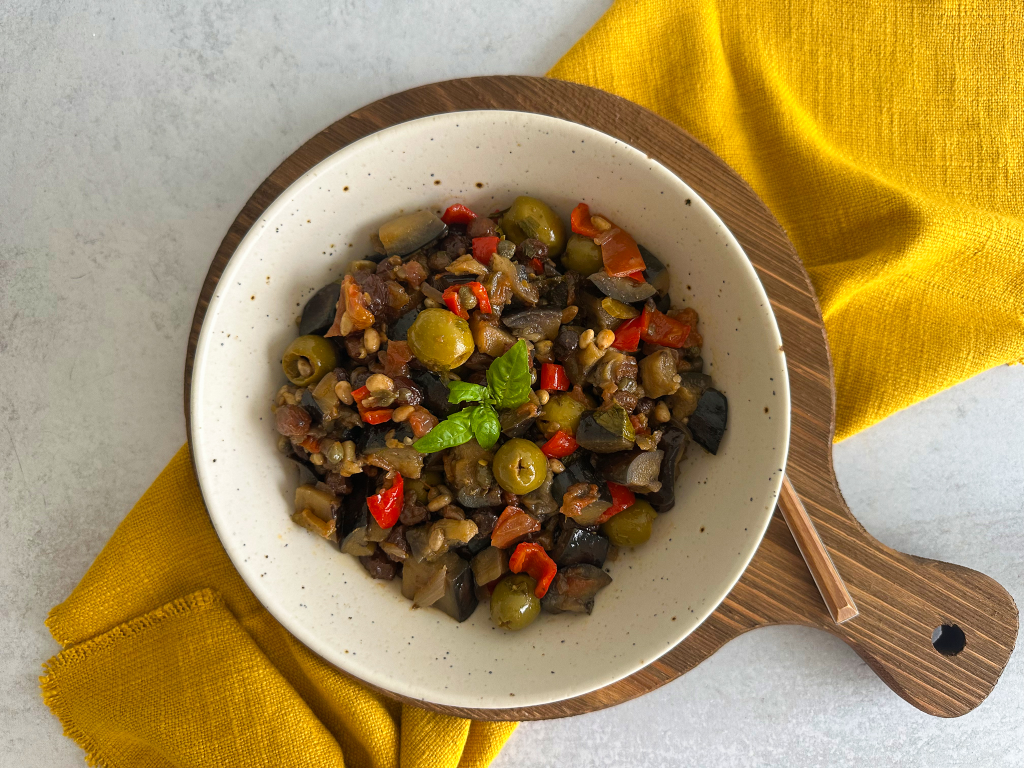
Authentic Sicilian Caponata: The Sweet and Sour Taste of Sicily
There are dishes that simply nourish the body, and then there are those that capture the very soul of a place. For Sicily, that dish is undeniably Caponata. A vibrant, richly flavored eggplant stew, Caponata is a celebration of summer vegetables, bold Mediterranean ingredients, and the island's unique culinary heritage. At its heart lies the irresistible *agrodolce* balance – that perfect harmony of sweet and sour that has come to define traditional Sicilian cuisine. My first encounter with authentic Sicilian Caponata, much like many enthusiasts, was a revelation. Whether savored in a bustling Palermo trattoria or a quiet family kitchen, it instantly etches itself into your memory. Every Sicilian family proudly guards its own rendition, passed down through generations, yet all share that essential agrodolce magic. It's more than just a vegetable dish; it's a living story of culture, trade, and tradition, deeply rooted in centuries of history.What is Authentic Sicilian Caponata?
Caponata is a traditional Sicilian preparation centered around eggplant, typically complemented by bell peppers, onions, celery, ripe tomatoes, briny olives, and pungent capers. These ingredients are slowly cooked until tender, then finished with the characteristic sweet-and-sour flavor known as *agrodolce*. This distinctive balance, achieved through the careful addition of sugar and vinegar, gives Caponata its tangy yet subtly sweet profile, brimming with layers of savory depth. The dish's origins are believed to trace back to at least the 18th century, though many food historians suggest its roots run even deeper, influenced by the diverse Arab, Spanish, and Greek cultures that have profoundly shaped Sicily's culinary landscape. Over centuries, Caponata has evolved into a myriad of regional styles. You might find the classic Palermo version enriched with pine nuts and raisins, or coastal variations that incorporate local seafood like swordfish, each reflecting the unique bounty of its locale. What truly sets Sicilian Caponata apart is its remarkable versatility. It can be enjoyed warm, at room temperature, or even chilled, making it an ideal dish for any season or occasion. In fact, many connoisseurs agree that Caponata only improves with age; allowing it to rest for a day or two lets the myriad of flavors meld and deepen, transforming into an even more complex and satisfying experience.The Agrodolce Secret: A Symphony of Flavors
The soul of Caponata lies in its *agrodolce* seasoning, a culinary technique that translates literally to "sour-sweet." This isn't just a simple mix of sugar and vinegar; it's a delicate dance, a precise calibration that elevates humble vegetables into something extraordinary. This flavor profile is a hallmark of Sicilian cooking, a delicious legacy of the island's historical connections, particularly with North African and Moorish cultures, who introduced many sweet-and-sour elements into Mediterranean cuisine. Imagine the burst of tangy vinegar awakening your palate, swiftly followed by a gentle sweetness that rounds out the acidity. This interplay is further enhanced by the inherent savoriness of the vegetables, the briny punch of green olives and capers, and the richness of olive oil. Each ingredient plays a crucial role in this complex symphony. The eggplant, acting like a sponge, absorbs every nuance of these flavors, while the celery adds a delicate crunch and aromatic depth, and the bell peppers contribute natural sweetness and vibrant color. Getting the agrodolce balance just right is an art form, a testament to the skill and palate of the cook, and it’s what makes a good Caponata truly unforgettable.Caponata vs. Ratatouille: A Culinary Distinction
At first glance, one might easily mistake Caponata for its French cousin, ratatouille. Both are beloved Mediterranean vegetable stews featuring eggplant, peppers, and tomatoes. However, dig a little deeper, and distinct differences emerge, marking each dish with its unique cultural identity. For a more detailed breakdown, explore Caponata vs. Ratatouille: Unpacking Sicily's Agrodolce Secret. * **Flavor Profile**: The most significant distinction lies here. While ratatouille is typically savory, herb-forward (think thyme, rosemary, basil), and gently stewed, Caponata proudly showcases its assertive sweet-and-sour *agrodolce* flavor, derived from vinegar and sugar. It’s a bolder, more piquant experience. * **Texture**: Caponata generally has a chunkier texture. Its vegetables, especially the eggplant, are often fried separately to achieve rich caramelization and a more defined bite before being combined. Ratatouille, on the other hand, tends to be softer and more uniformly stewed, with vegetables often cooked together. * **Ingredients**: Beyond the core vegetables, Caponata incorporates distinctly Sicilian elements like briny green olives, pungent capers, and often, sweet raisins and pine nuts, contributing to its unique Mediterranean identity. Ratatouille, conversely, relies on its Provençal herb medley to define its character. In essence, while both dishes celebrate seasonal vegetables, Caponata's unmistakable Sicilian identity shines through its daring contrast of sweet, sour, and savory notes, creating a flavor profile that stands proudly on its own.Crafting Your Own Authentic Caponata: Tips for Success
Embarking on making an authentic **caponata recipe** is a rewarding culinary journey that brings the vibrant flavors of Sicily right into your kitchen. While the exact proportions can vary, understanding the role of each ingredient and a few key techniques will ensure a delicious outcome. For a comprehensive dive into the origins and significance of this dish, consider reading Sicilian Caponata: Recipe, History, and the Soul of Sicily. Here’s what you’ll need and some tips for preparing a classic Sicilian Caponata:Key Ingredients & Why They Work
- Eggplant (Melanzane): This is the star. Choose firm, shiny eggplants. Eggplant famously absorbs flavors like a sponge, making it perfect for Caponata's pungent profile. Tip: Many traditional recipes suggest salting diced eggplant for about 30 minutes before cooking to draw out excess moisture and bitterness, resulting in a creamier texture and less oil absorption during frying.
- Olive Oil: Essential for frying the vegetables and building flavor. Use a good quality extra virgin olive oil.
- Onion & Celery: These form the aromatic base. Opt for tender, inner celery stalks for a less fibrous texture.
- Bell Peppers: Often red or yellow for their sweetness and vibrant color, adding another layer of taste and visual appeal.
- Garlic: Minced, for a foundational aromatic kick.
- Tomatoes: Ripe, preferably Roma, peeled, seeded, and finely chopped. A high-quality can of crushed tomatoes (in puree) is a convenient alternative when fresh are out of season.
- Capers: Briny and essential. Rinse them well to remove excess salt.
- Green Olives: Pitted and coarsely chopped, they contribute a salty, meaty texture.
- Sugar & Vinegar: The architects of *agrodolce*. Granulated sugar and a good quality red or white wine vinegar are standard. The balance is crucial; start with the suggested amount in your chosen **caponata recipe** and adjust to your taste.
- Optional Additions: For the classic Palermo style, consider adding a handful of toasted pine nuts and sweet raisins for texture and a deeper sweetness that complements the tang.
Preparation Tips for the Best Caponata
- Fry Vegetables Separately: A hallmark of authentic Caponata. Fry the eggplant cubes until golden brown and tender, then set aside. Repeat with the bell peppers, onions, and celery. This step ensures each vegetable is perfectly cooked and slightly caramelized, contributing maximum flavor and a pleasing texture.
- Build Layers of Flavor: After frying, combine the cooked vegetables with the tomatoes, garlic, capers, and olives. Simmer gently, allowing the flavors to meld.
- Master the Agrodolce: This is where your palate comes in. Add the sugar and vinegar, stirring well. Taste, and adjust as needed. You want a harmonious blend where neither sweet nor sour dominates, but rather they dance together. Don't be afraid to add a little more of one or the other until it feels right.
- Slow Cook for Tenderness: Allow the Caponata to simmer slowly until all the vegetables are tender and the sauce has thickened, usually around 20-30 minutes after combining.
- Rest and Reinvent: Just like a fine wine, Caponata improves with age. Prepare it a day in advance if possible. The flavors truly deepen and integrate overnight.
Serving Your Delicious Caponata
Caponata's versatility shines in how it can be served. It's fantastic:
- As an Antipasto: Spread on toasted bread or bruschetta. The combination of textures and flavors is incredible.
- As a Side Dish: Accompanying grilled fish, chicken, or roasted meats.
- As a Light Meal: Served with a sprinkle of fresh basil or parsley, maybe a dollop of fresh ricotta.
- At Any Temperature: Enjoy it warm from the pot, at room temperature, or even cold straight from the fridge on a hot summer day.
